
Alpaca or merino? For a freezing winter, alpaca is the better choice: it is warmer, light and usually doesn't itch. Choose merino for everyday wear and under a blazer, because it is thin, smooth and easy to care for. Mohair is the third option when you dream of a fluffy, airy sweater. Below I compare all three fibres step by step, so you can choose a sweater for years to come without hesitation.
Contents
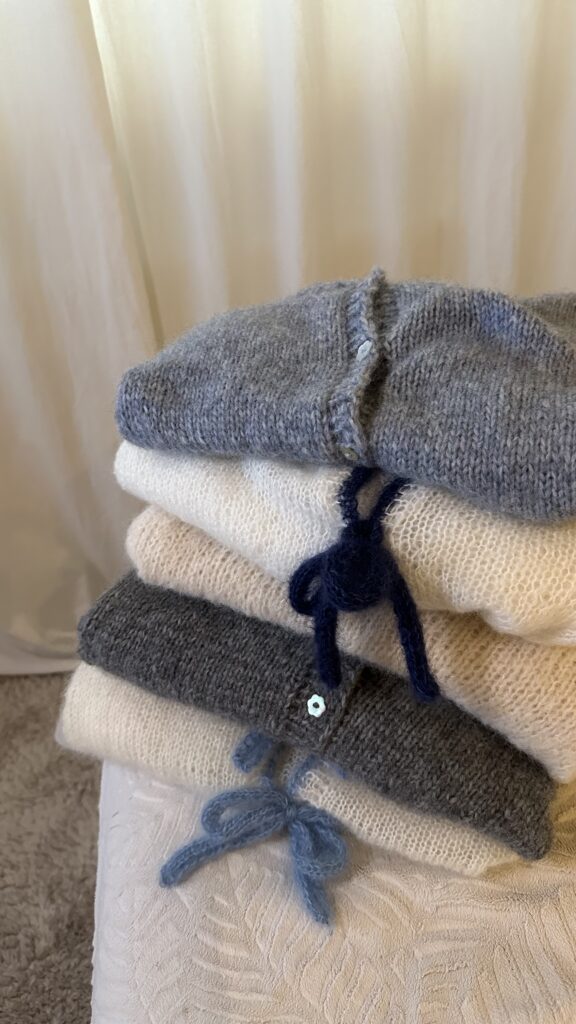
Alpaca or merino: the key differences at a glance
Before we get into the details, here is a quick cheat sheet. If you are wondering whether to choose alpaca or merino, start with what you need the sweater for: frost, the office or the evening.
- Warmest for the same weight: alpaca.
- Smoothest and most versatile: merino.
- Lightest and fluffiest: mohair.
- For sensitive skin: usually alpaca or merino.
- Least demanding to wash: merino.
Alpaca: warmth without weight
Alpaca wool comes from animals raised mainly in the Andes in South America. Its fibres are partly hollow inside, so they trap air and insulate brilliantly while the sweater stays light. That is why, when comparing alpaca or merino, alpaca wins when warmth in the hardest frost is what counts.
Alpaca contains no lanolin, the grease found in sheep's wool that can cause irritation. Many people who find traditional wool itchy wear alpaca without any problem, even directly against the skin. You can read more about the animal itself in the Wikipedia entry on alpacas.
Alpaca has a soft, slightly fluffy handle and a beautiful matte sheen. It works well in turtlenecks, thicker sweaters and accessories worn close to the face, such as alpaca balaclavas.
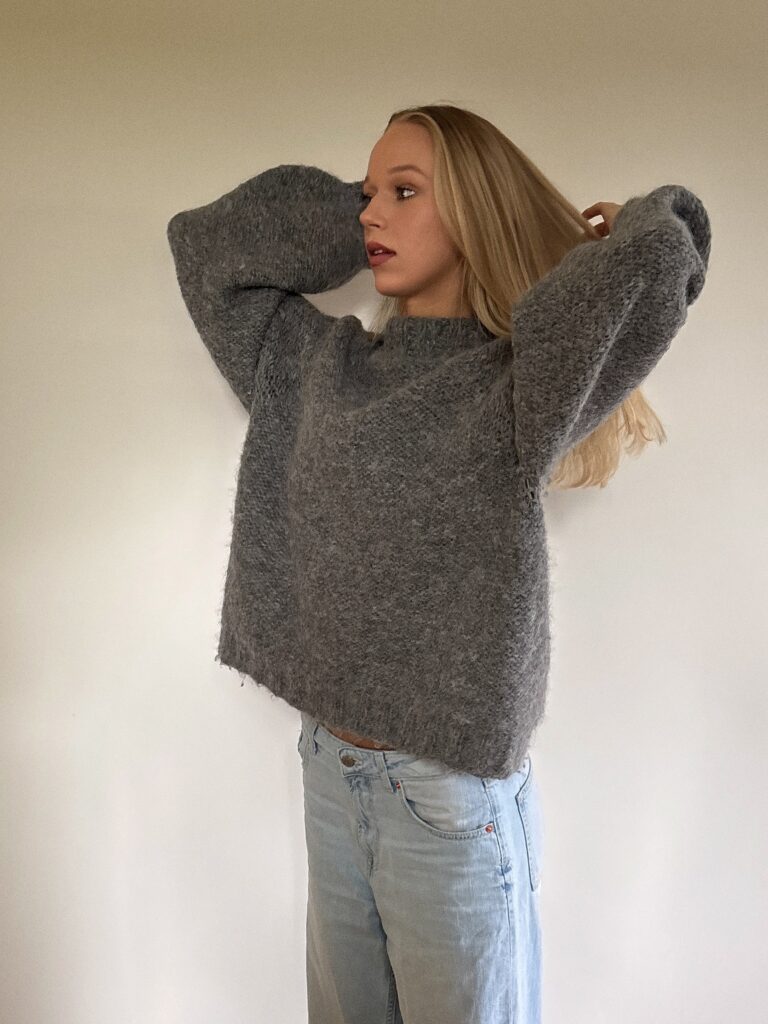
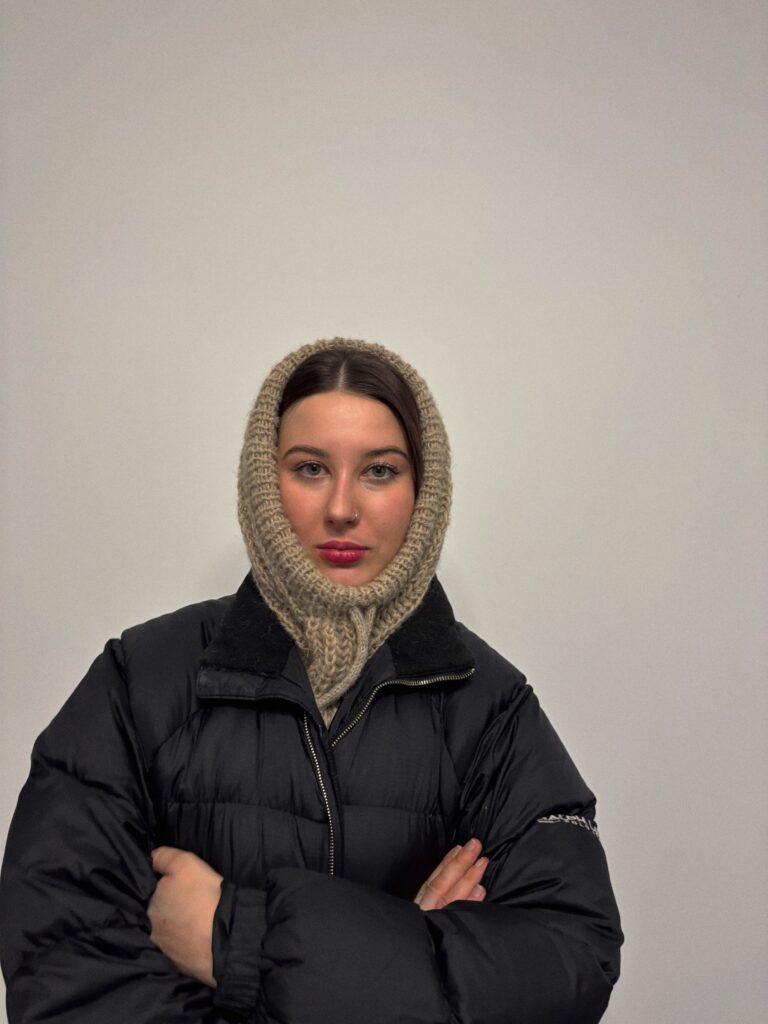
Merino: an everyday classic
Merino is wool from merino sheep. Its fibres are very fine, so the knit is smooth, elastic and pleasant even under a shirt. Merino regulates temperature well and doesn't overheat in a heated office.
It is a great choice for thin sweaters under a blazer and for layering. In the hardest frost, though, merino usually keeps you less warm than a thick alpaca, so when it comes to alpaca or merino for a walk in January, I would go for alpaca.
Mohair: lightness and a cloud-like effect
Mohair is the fibre of Angora goats. The finest is kid mohair, which comes from young animals. Mohair yarn is very light and fluffy, and combined with silk it gains a subtle sheen. A mohair sweater looks airy, yet keeps you surprisingly warm.
Mohair has longer, raised hairs, so people with very sensitive skin sometimes feel them on the neck. If that is you, choose a cardigan or a sweater with a neckline and wear a thin top underneath.

Which wool to choose? Alpaca or merino in practice
For frosty walks
Choose alpaca. A thick alpaca turtleneck or sweater keeps the warmth in better than thin merino, without being heavy.
For the office and under a blazer
Choose merino. The thin knit doesn't add bulk, looks good under a jacket and stands up to frequent wear.
For the evening and with a dress
Choose mohair. A fluffy cardigan thrown over a dress looks light and romantic.
Alpaca or merino for sensitive skin
If wool often makes you itch, the cause may be the thickness of the fibres or lanolin. Merino has very fine fibres and alpaca contains no lanolin, so both are usually well tolerated. In practice, when choosing alpaca or merino for sensitive skin, it is worth simply trying on both sweaters and trusting how they feel, because every skin reacts a little differently.
The knit is also a good clue. A smooth, dense knit irritates less than a loose, fluffy one with long hairs. If you have a very sensitive neck, choose a round-neck sweater instead of a turtleneck or wear a thin top underneath.
Do alpaca and merino pill?
Any natural wool can pill slightly, especially where the knit rubs. Merino usually pills in the first weeks of wear, and then the knit settles. Alpaca has longer fibres, so there tend to be fewer pills, but its fluffy texture changes gently over time. In both cases, a sweater comb and a little patience are all you need.
How to recognise a good alpaca or merino sweater?
- Check the composition on the label or in the product description: the higher the share of natural fibre, the warmer the sweater.
- Pay attention to the density of the knit: an even, tight knit holds its shape longer.
- Look at the ribbing on the cuffs and hem: it should spring back into shape after stretching.
- Touch the inside of the sweater: that is where you can best feel whether the knit will be pleasant on your skin.

Does a hand-knitted sweater make a difference?
Whether you choose alpaca or merino, a hand-knitted sweater usually lasts longer, because the knit is dense and even and the seams don't come undone after the first season. At La Opalia, every design is made only once it is ordered, and you will always find the exact composition in the product description. See our alpaca sweaters and cardigans.
How to care for natural wool?
All three fibres dislike hot water, friction and drying on a radiator. Air your sweater more often than you wash it, and when you do need to, wash by hand in cool water and dry flat. I describe the details in the guide how to wash an alpaca sweater and in the post on how to refresh a sweater without washing.
Summary
Alpaca or merino? If you are looking for one truly warm sweater for winter, choose alpaca. If you need a sweater for work that will stand up to frequent wear, go for merino. And when you want something light and romantic, reach for mohair.